A working pottery studio in West Oakland

Everything here keeps the mark of the hand.
Ember & Clay is a small-batch stoneware studio and teaching kilnhouse. We throw, glaze, and fire every piece on this block — and we'll teach you to do the same.

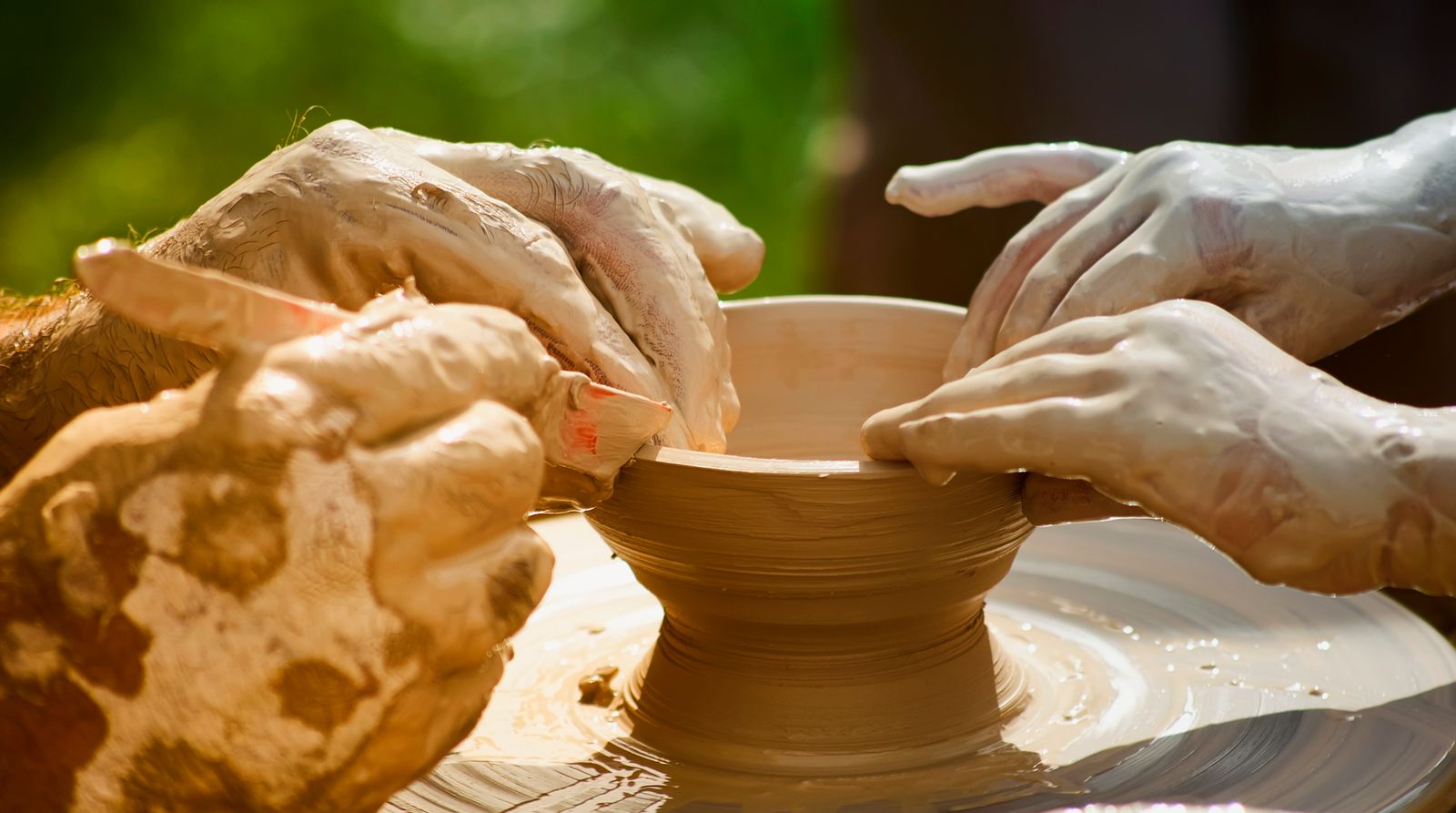
Two hands shaping a stoneware bowl on the potter's wheel in warm afternoon light

The studio

Twelve wheels, two kilns, one long table.

We took over a former upholstery workshop on Campbell Street in 2017 and never quite filled it — the extra room became the teaching floor. Everything we sell is thrown here, in runs of twenty or thirty, never more.

Mara throws. Dane mixes every glaze from raw oxides in the back room. Between firings the shelves fill up with bisque-ware, and the whole place smells faintly of wet earth.

Plan a visit

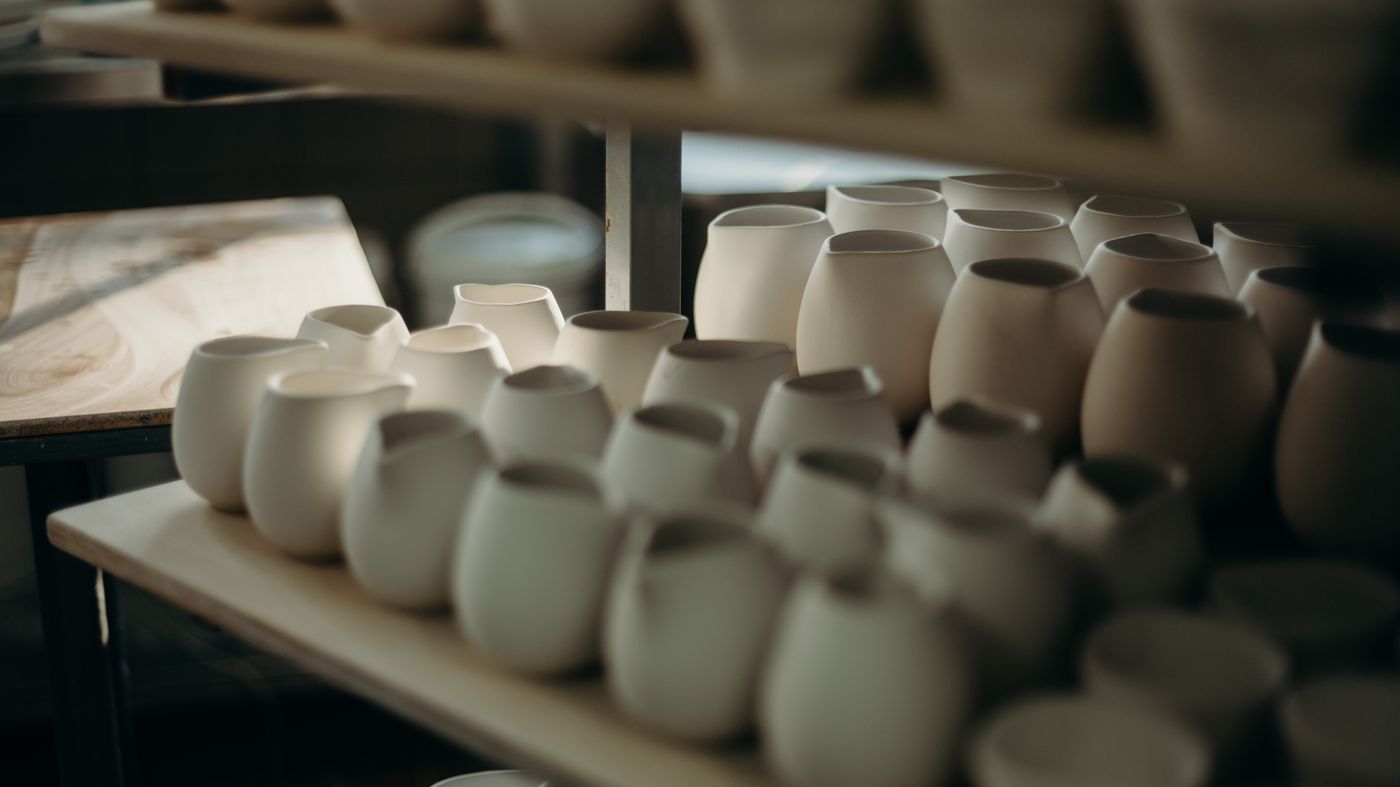
Rows of unglazed bisque-ware pots drying on the studio's wooden shelves

From the last firing

Made twenty at a time.
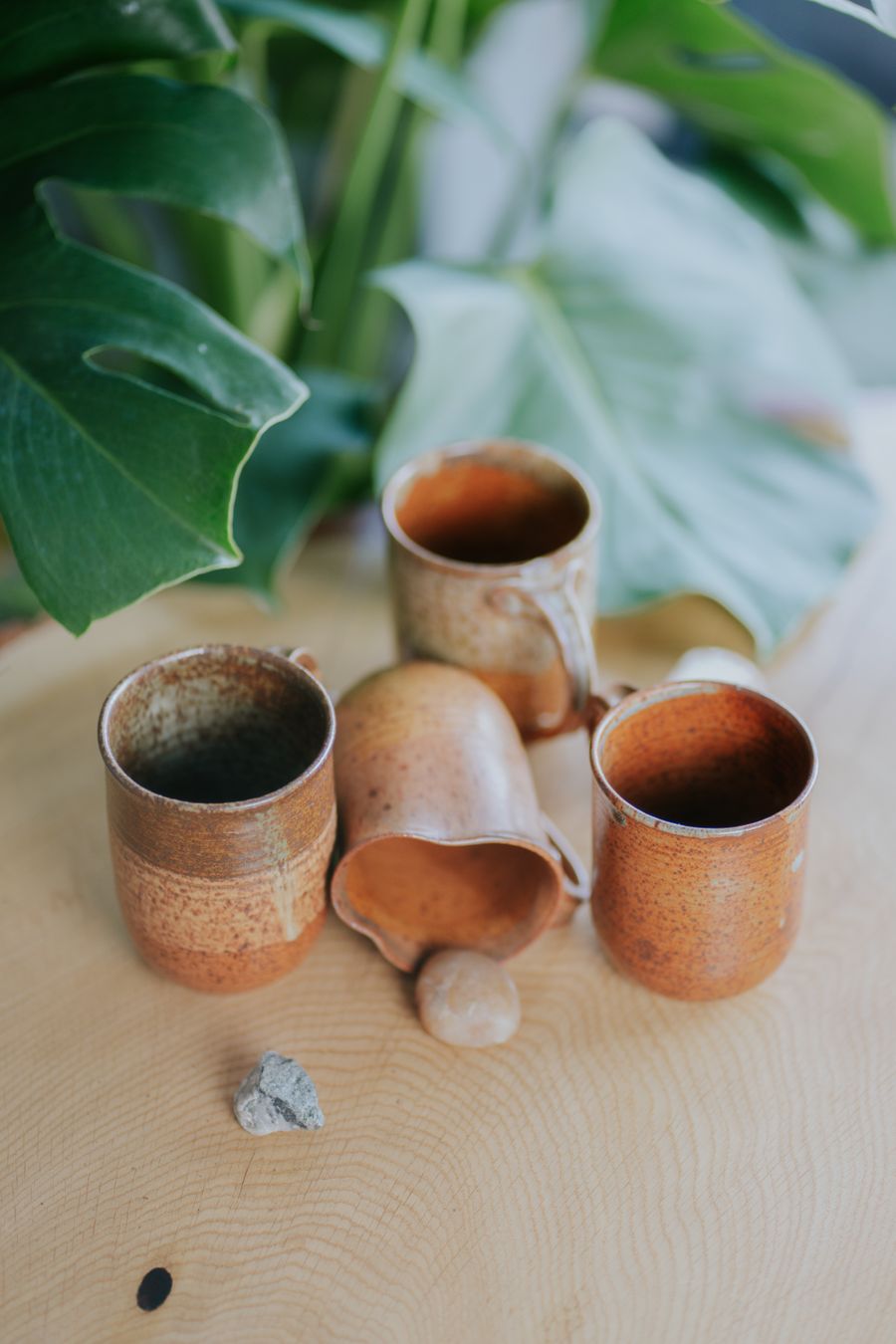
  • A pair of hand-thrown terracotta mugs beside a monstera leaf

    Dawn mugs

    $68

    Speckled buff, ember-flashed rim · set of two
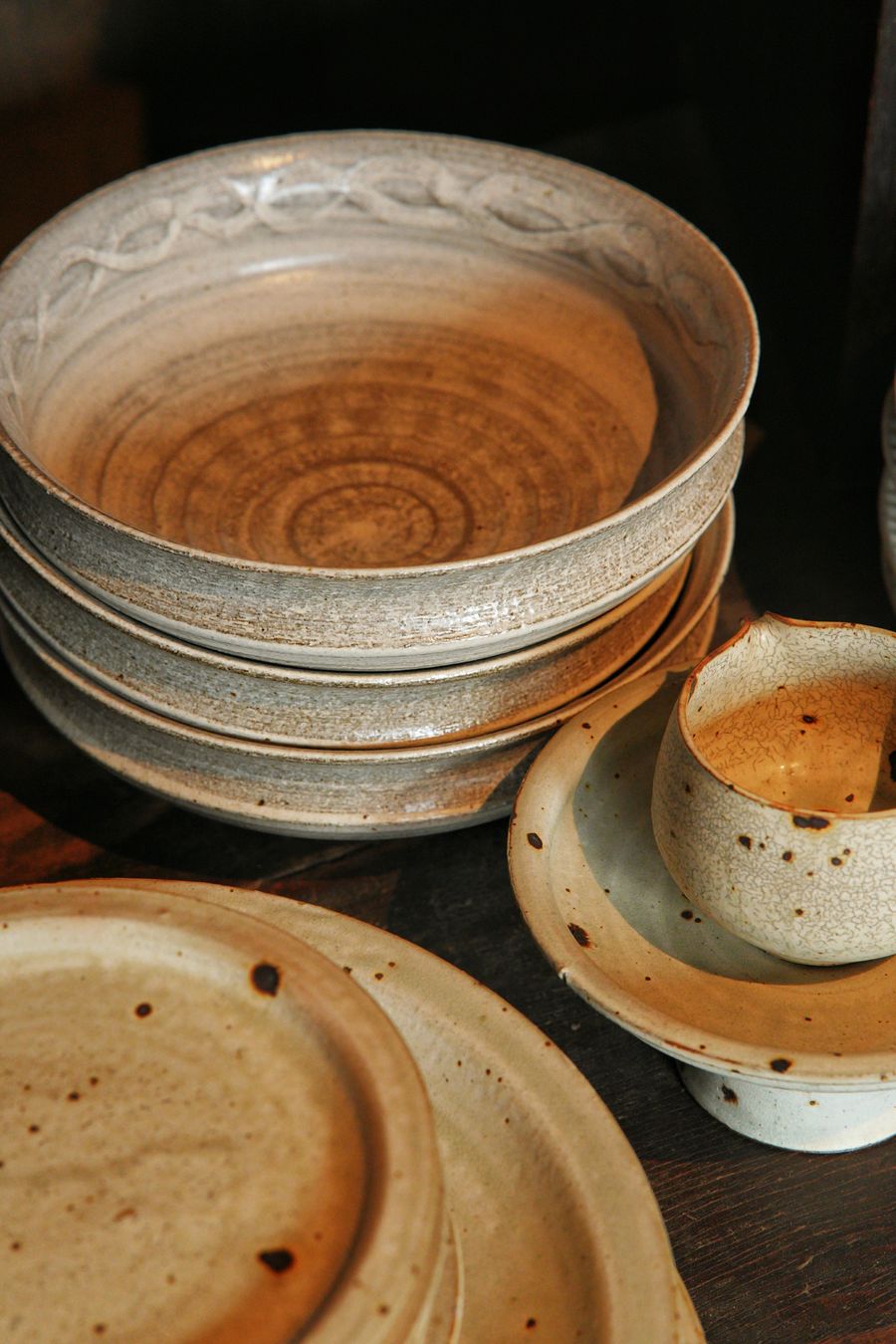
  • A stack of amber-glazed stoneware bowls and plates on a dark wooden table

    Hearth nesting bowls

    $148

    Toasted amber glaze, unglazed foot · set of four
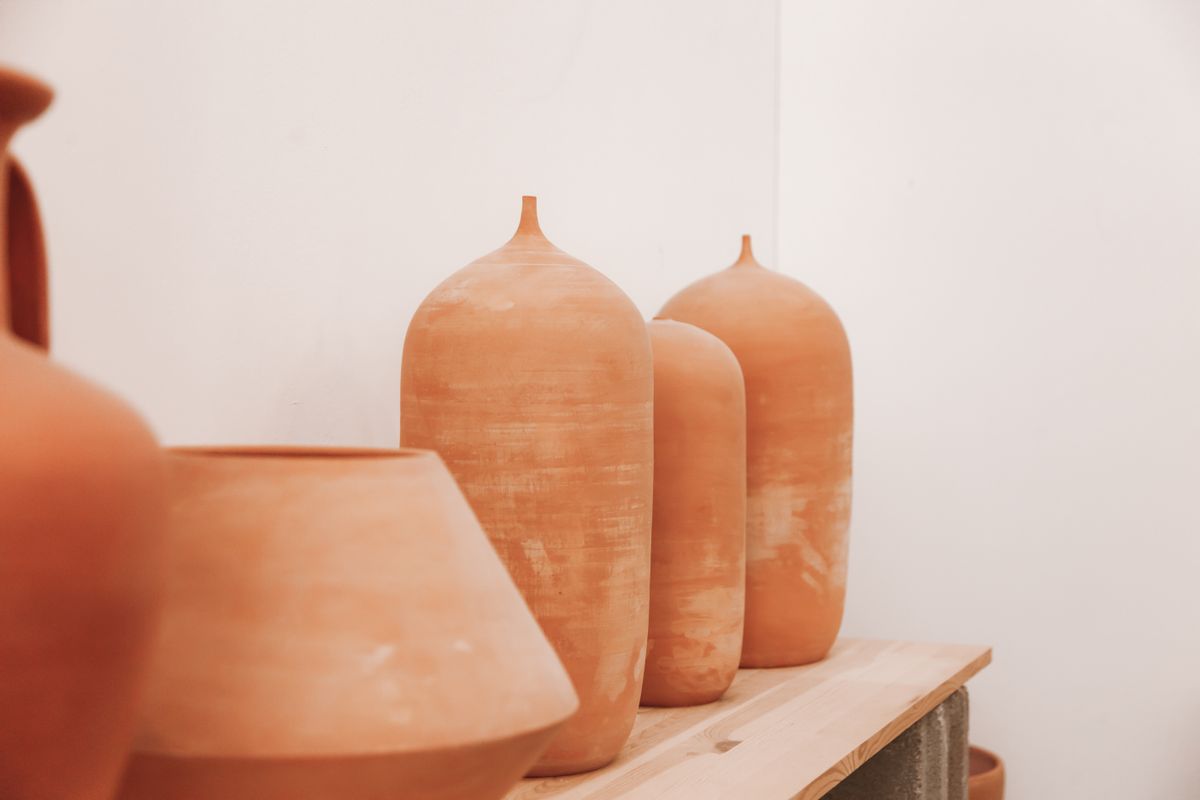
  • Raw terracotta bud vases lined up on a studio shelf

    Ridge bud vases

    $42

    Raw terracotta, burnished shoulder · each

See the whole collection

How a piece happens

Four weeks, start to finish.

  1. Wedge

    Every bag of clay is wedged by hand until the air is out. Ours is a speckled buff stoneware from a family pit outside Sacramento.

  2. Throw

    Runs are small enough that no two pieces match exactly — rims wander a few millimeters, and we like them that way.

  3. Glaze

    Dane mixes our five house glazes from raw oxides. Every new batch is tested on a tile before it touches a pot.

  4. Fire

    Two firings in the gas kiln, the second to cone 10. The ember flash on our rims happens in the last hour, when the kiln breathes.

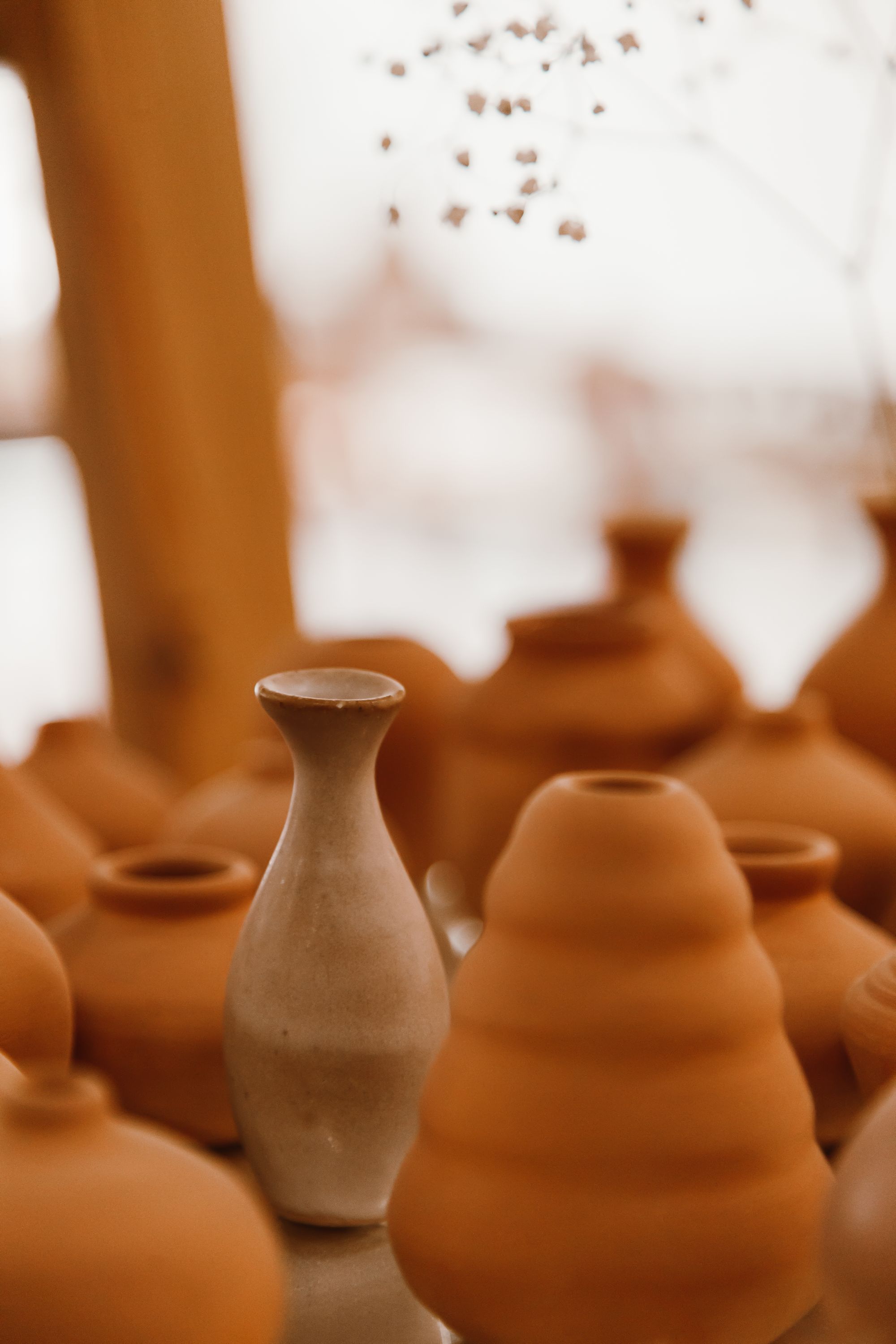
A crowd of freshly fired terracotta vessels waiting to be unloaded

The kiln decides the last ten percent.
Workshops

Come get your hands dirty.

Eight seats, one teacher, and all the clay you can wedge. Wheel courses run in four-week blocks; hand-building and glaze days fit in a weekend.

Everything is included — materials, firing, and an apron that has seen some things.

See classes & dates

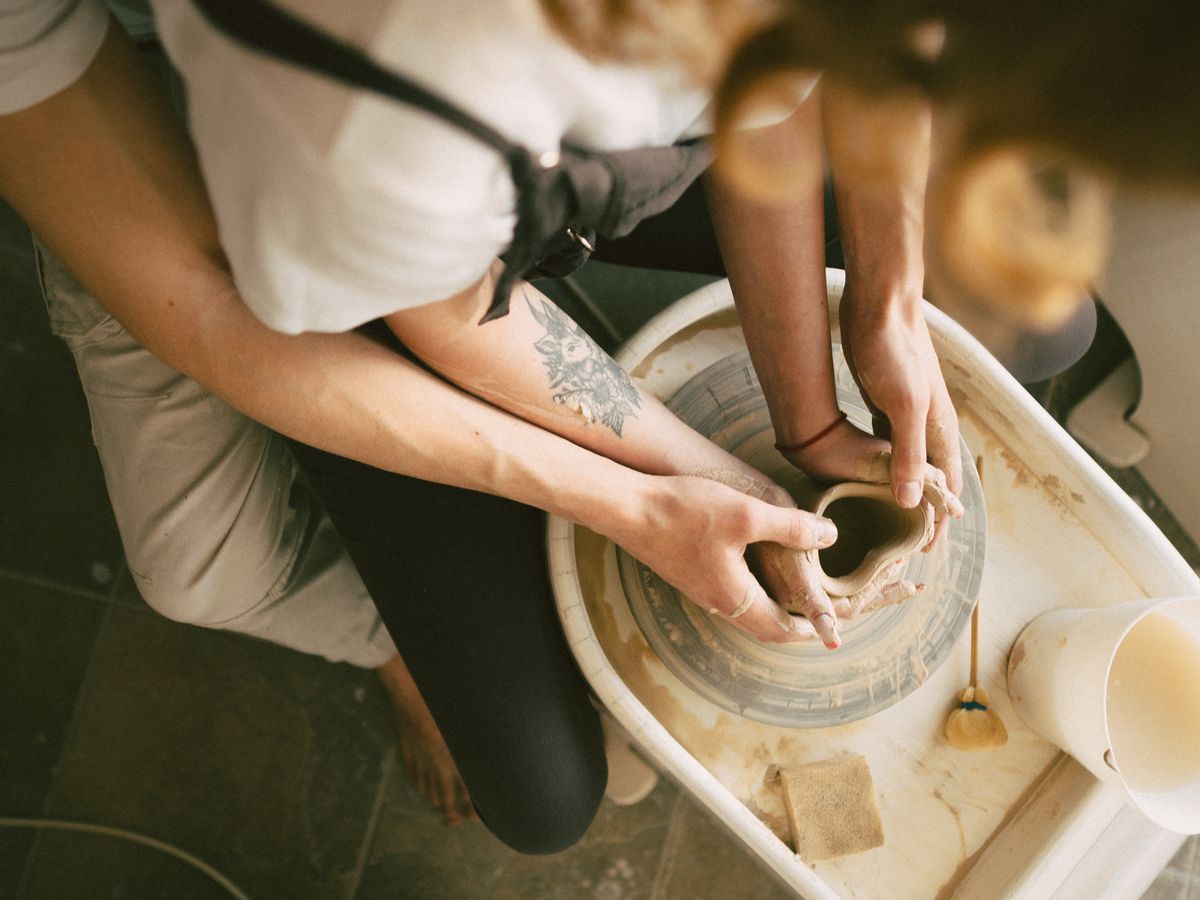
A teacher's and a student's hands centering clay together on the wheel